An RFP response is a heavy document. Pricing tables, service descriptions, insurance certificates, and page after page of written claims about capacity and capability. Every bidder makes those claims. The shipper reading them has no easy way to tell which operation is real and which one is well written. Video is the part of a response that closes that gap, because it shows the facility, the process, and the people behind the numbers.
This is not about decoration, and it is not a promise that a logistics RFP video wins contracts. It does not, on its own. What it does is give the evaluation team something paper cannot: a clear view of how your operation actually runs. This post covers how logistics companies use video in RFP responses, what to film, and the mistakes that weaken it. The wider background is in our post on video production for logistics companies, and the service overview is on our industrial, manufacturing, and logistics Video Production page.
What an Evaluation Team Is Really Checking
A shipper issuing an RFP is managing risk. They are handing a stranger their freight, their deadlines, and a piece of their reputation with their own customers. The written response covers rates and terms. The unspoken questions sit behind it. Does this facility exist at the scale described? Is the operation orderly? Do the people running it sound like people you would trust with a problem at 6 PM on a Friday?
Video answers those questions in a way text cannot.
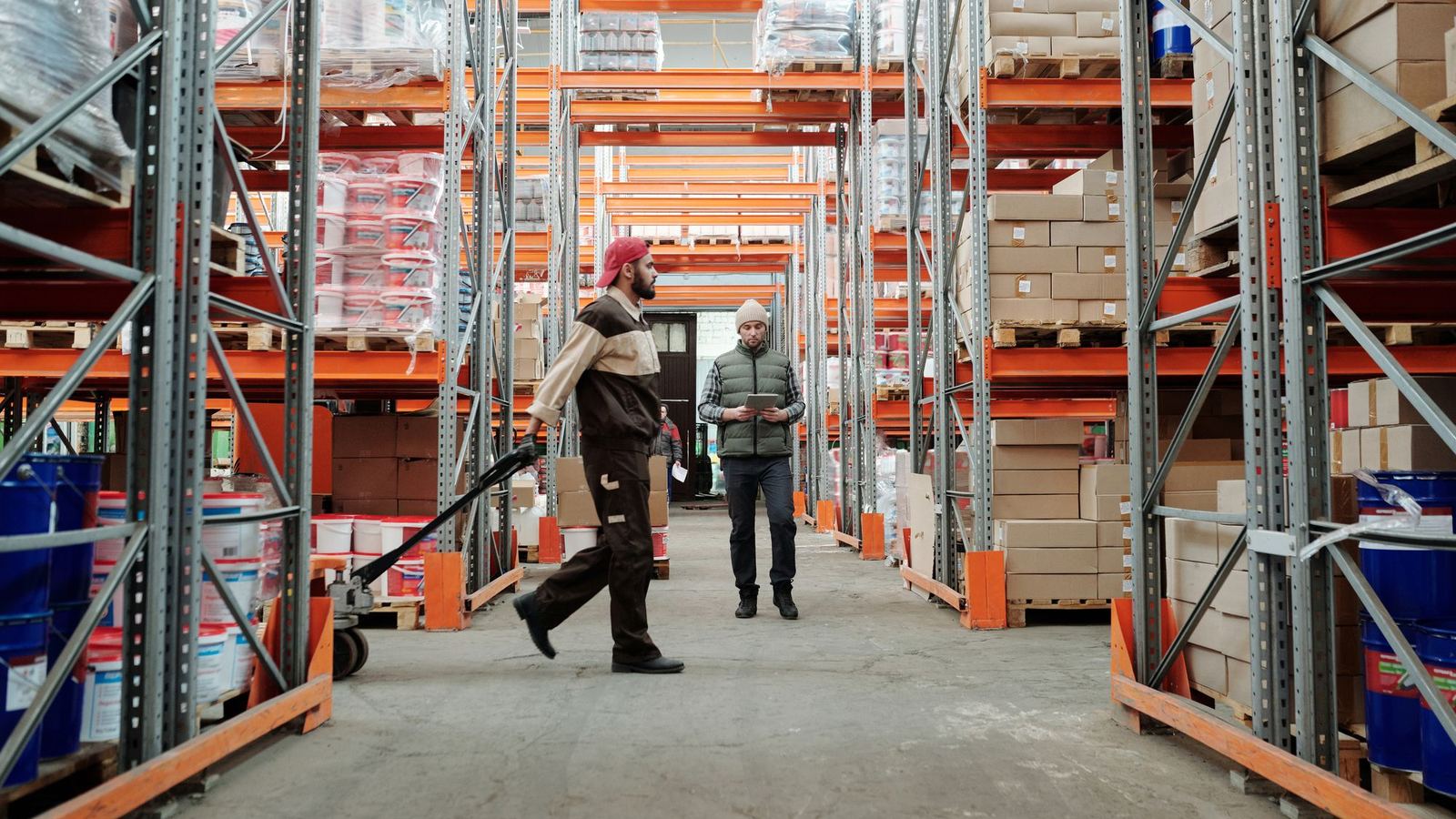
Video answers those questions in a way text cannot. A steady walk through the building shows racking, staging, dock doors, and material flow in one pass. A short on-camera comment from the operations lead shows how the team thinks. None of it needs to be dramatic. It needs to be clear, current, and consistent with what the document claims. That consistency is the point: the video supports the written response, and the two should never tell different stories.
The Three Videos That Do the Work
Most logistics companies do not need a large library for bid work. Three pieces cover nearly every response:
- The facility tour. A guided walk through the operation, filmed and edited for someone evaluating it from a desk. We covered the format in depth in our post on the distribution center video tour, and the RFP version is shorter and more direct: capacity, layout, process, security, out the door.
- The capability piece. Your operation explained as a system: receiving, storage, picking, packing, dispatch, and how freight moves between them. This is the core of our logistics showcase videos, built to show capability rather than describe it.
- The people piece. Short interviews with the team a shipper would actually deal with. For a 3PL, this is often the difference between a vendor and a partner in the reader’s mind. Our post on 3PL Video Production explains why trust, not footage quality, is the deciding factor in that category.
Where a customer is willing, a testimonial strengthens all three. A shipper speaking plainly about reliability carries weight no script can match, and the approach is the same one set out on our testimonial and documentary video page: real people, real specifics, no scripted praise.
Filming It Without Giving Anything Away
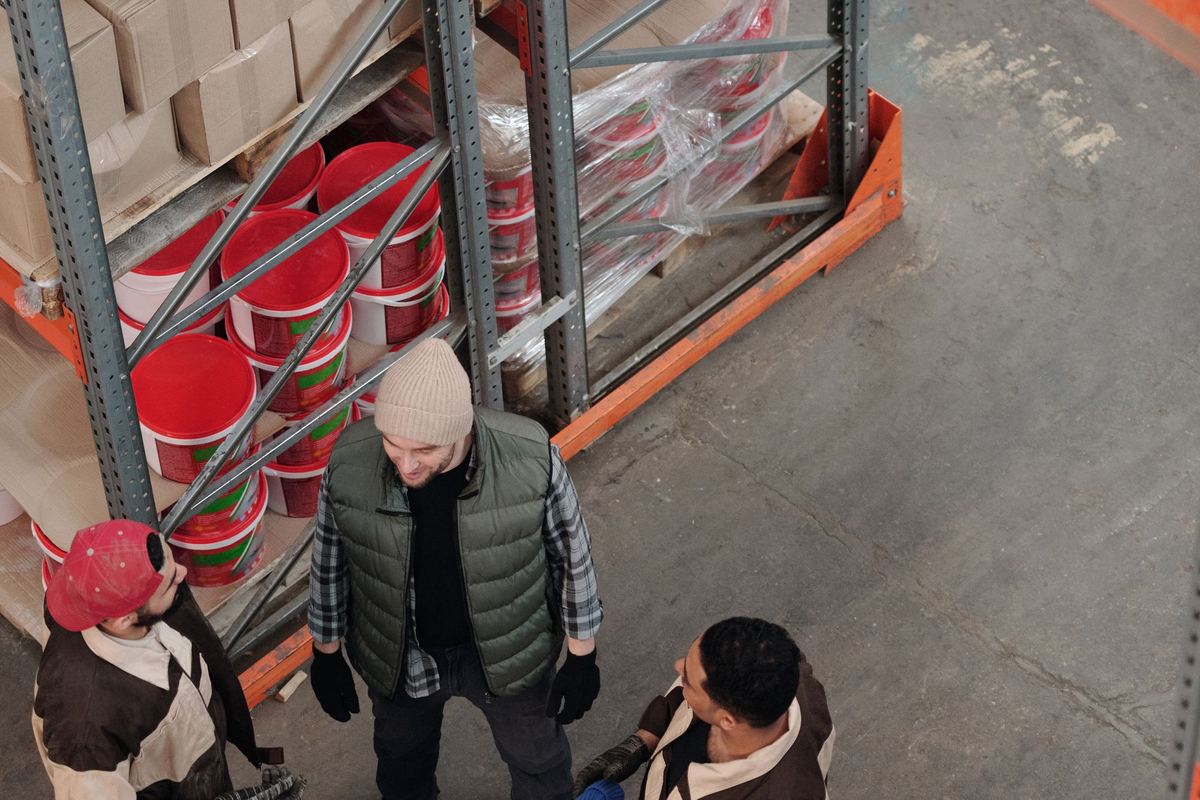
The obvious concern is confidentiality, and it is a fair one. Your floor holds client freight, label data, and process details that are not for a bid document. A competent crew plans around that from the start. Agree the shot list before the shoot. Keep client branding, paperwork, and screens out of frame, or shoot those areas at an angle that shows the work without the data. Schedule sensitive zones at quieter times. The planning habit is the same one behind our warehouse photo documentation checklist: decide what gets recorded, in writing, before anyone arrives with a camera.
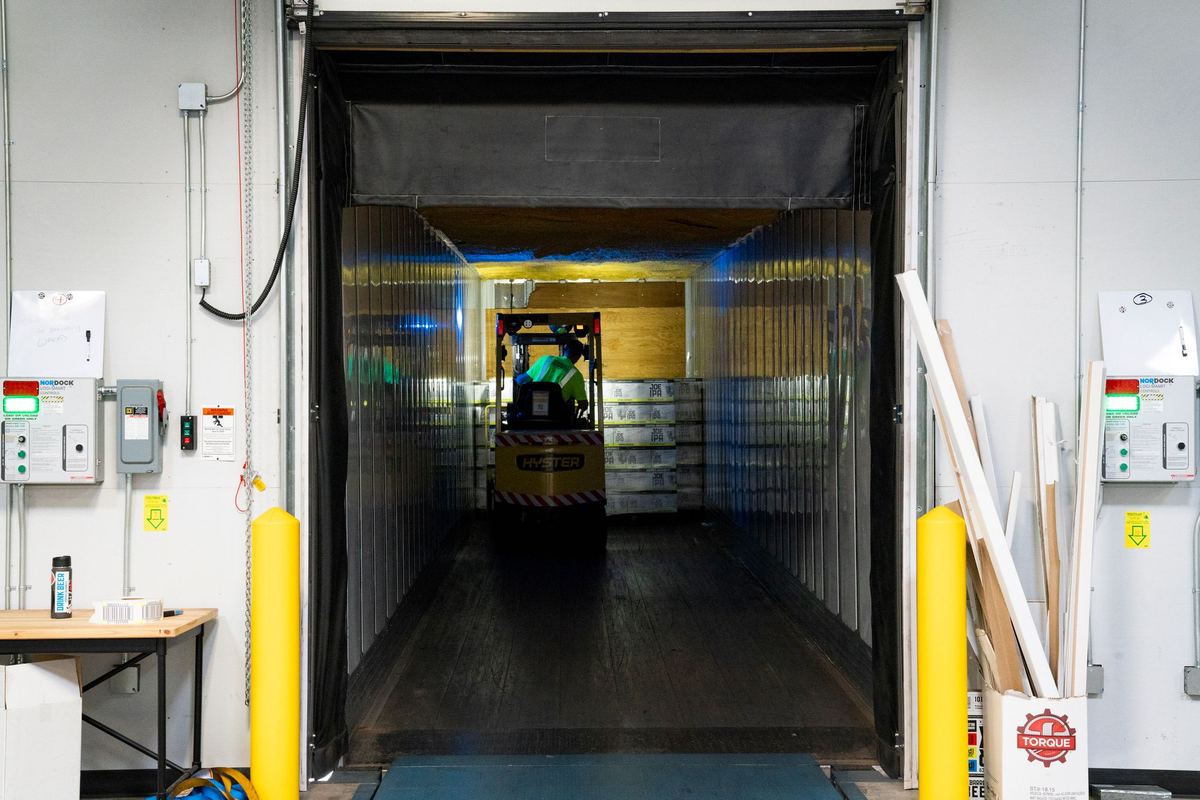
Currency matters just as much. Footage of a facility you have since expanded, or of equipment you no longer run, will surface in questions later. Date your material internally, review it when the operation changes, and treat the RFP library like the document library it belongs to: current, versioned, and easy to find under deadline.
How a Logistics RFP Video Reaches the Reader
Practical details decide whether the video gets watched at all:
- Link it, do not attach it. Large files stall inboxes and procurement portals. A hosted link with a clear title, placed in the response where the relevant claim is made, is what readers use.
- Keep the main cut short. Two to three minutes respects an evaluation team’s time. Longer material can sit one link deeper for anyone who wants it.
- Caption everything. RFPs are read in open offices, often with the sound off.
- Match the cut to the bid. A food grade shipper and an industrial shipper care about different parts of the same building. One generic video sent with every response reads as exactly that.
Questions to Settle Before the Next RFP Lands
- Do we have current footage of every facility we bid from, or only the flagship?
- Who approves what can be filmed, and how fast can they approve it under deadline?
- Are our written claims and our footage telling the same story?
- Who keeps the library, and when was it last reviewed?
Start a Conversation
Red Passage is a Georgia based visual communications studio in Newnan, built on industrial and logistics work. Our founder’s production experience includes logistics operations for BMW, Dell Technologies, and Scania through Syncreon, in the US and Brazil, so we plan a warehouse shoot the way an operations team would want it planned. See our commercial Video Production and corporate and B2B Video Production pages, and the finished standard in our portfolio. If an RFP on your calendar deserves evidence, not just claims, Start a Conversation.